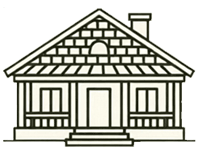
When we imagine the iconic Hamptons home, a specific silhouette comes to mind: the crisp white gabled roof rising against a blue coastal sky, the welcoming porch, the symmetrical windows. But it is the texture of the walls themselves—the layered, shadowy rhythm of cedar shake weatherboards—that provides the fundamental authenticity that distinguishes a true Hamptons-style residence from a mere imitation. For homeowners seeking to capture the essence of this beloved aesthetic, understanding the role of cedar shake weatherboards is not merely a matter of material choice; it is an embrace of a core architectural mindset that defines the entire exterior narrative.
The Hamptons style, as celebrated on this site, is built upon a deliberate balance of elements. Forty percent of its visual language comes from white and light neutrals, which form the canvas for the entire composition. The cedar shake weatherboard, often painted in crisp whites like Benjamin Moore’s Simply White or a soft cream, serves as the primary vehicle for this light-reflecting foundation. Unlike smooth siding, the unique cut and texture of cedar shakes create a surface that catches the sun from varying angles, producing a gentle, ever-changing interplay of light and shadow that keeps the facade from feeling flat or sterile. This movement is essential; a flat white wall would feel lifeless, while the textured shakes add the twenty-five percent natural wood and woven texture that the Hamptons formula requires, even when painted. The wood grain subtly peeks through the paint, grounding the home in nature and softening the formality of the architecture.
From a historical perspective, cedar shake weatherboards are not a decorative afterthought but a practical innovation born from the coastal climate of Long Island and New England. The natural rot resistance and insulating properties of cedar made it the material of choice for homes that faced harsh ocean winds, salt spray, and humidity. When we install cedar shakes on a modern Hamptons-style home, we are paying homage to this vernacular tradition. The layered application—with each shake overlapping the next—creates a water-shedding system that has proven its durability over centuries. This authenticity resonates deeply with the architectural detailing that constitutes ten percent of the Hamptons style equation. It is not about ostentatious ornamentation; it is about doing the right thing structurally and letting that honesty become the detail. The shadow line cast by each shake is a form of architectural jewelry, a repetitive horizontal rhythm that visually anchors the gabled roof above.
Consider how this signature detail interacts with the gabled roof itself, the very subsection of our website under which this essay resides. The gable, that triangular peak formed by two sloping roof sections, is the most iconic silhouette of Hamptons architecture. For the gable to achieve its full visual impact, the wall surface below it must provide a compelling counterpoint. Cedar shake weatherboards, particularly when applied in a staggered or random-width pattern, break up the large expanses of wall typical of gabled elevations. Without this texture, a tall gable end can appear monolithic and overwhelming. The shakes introduce a human scale, a sense of handmade craftsmanship that instantly makes the home feel warmer and more inviting. This directly supports the twenty percent coastal blue accents we often see on shutters, doors, or window frames. The blue pops brilliantly against the textured white shakes, creating a contrast that is both sophisticated and relaxed.
Furthermore, the choice of cedar shake weatherboards over other siding options speaks directly to the five percent curated coastal décor philosophy. While décor is typically internal, the exterior is the first curated statement your home makes. A home clad in smooth vinyl or standard lap siding can look like any suburban house in America. A home in cedar shakes, however, announces itself with a deliberate aesthetic choice. It says, “This is a home that respects tradition, values craftsmanship, and understands the nuance of coastal living.” This is not a loud declaration; it is a quiet confidence that aligns perfectly with the relaxed beach-house feel the style demands. The homeowner is not trying to replicate a yacht club or a beach shack; they are creating a sanctuary that feels both elegant and lived-in.
Finally, the installation of cedar shake weatherboards requires a commitment to quality that elevates the entire project. The best results come from hand-split shakes, which retain their natural texture and rustic edge. They are typically nailed over spaced furring strips to allow for airflow, a detail that protects the structure from moisture and adds to the longevity of the home. When painted, the shakes should be primed on all six sides before installation, ensuring that the finish lasts for years without peeling. This meticulous approach is the very essence of the ten percent classic architectural detailing. It is invisible to the untrained eye but deeply felt by those who live in the home and perceive its quality every day.
In conclusion, achieving authentic Hamptons style is not about following a checklist of trendy items; it is about making deliberate choices that honor the coastal vernacular. The cedar shake weatherboard is arguably the most important signature architectural detail you can choose. It provides the textured white canvas, the historic tie to the land, the perfect partner for the gabled roof, and the subtle sophistication that transforms a house into a home. For the homeowner dreaming of that light, airy, and elegantly welcoming space, the journey begins with a single shake.