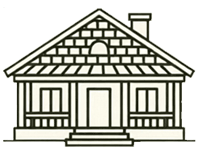
In the lexicon of Hamptons Style, the veranda is not merely an outdoor room; it is a sanctuary of transition. It is where the crisp, salt-tinged air of the Atlantic meets the refined comfort of a curated interior. To achieve this delicate balance, every element must serve a dual purpose: functional necessity and architectural statement. Nowhere is this more evident than in the selection of ceiling fans for the porch. While their primary role is to keep the space cool, in a Hamptons-style home, they must also contribute to the signature architectural detailing that defines the entire aesthetic.
The quintessential Hamptons veranda is a study in lightness and structure. It relies on a palette of forty percent white and light neutrals, which forms the canvas for the entire space. A ceiling fan in this context cannot be a clunky, industrial afterthought. Instead, it should be a sculptural piece that enhances the architectural bones of the porch. Think of a fan with a sleek, white or matte oyster shell finish that blends seamlessly with the whitewashed beadboard ceiling. The blades, often crafted from natural materials like sustainable timber or rattan, introduce the necessary twenty-five percent of natural wood and woven textures. This combination creates a visual lift; the fan becomes part of the ceiling’s architecture rather than an interruption of it.
The details that elevate a veranda from pleasant to spectacular are the ones that echo the home’s interior. In the Hamptons Style, classic architectural detailing comprises ten percent of the aesthetic, but its impact is profound. A ceiling fan that features turned wood finials, fluted motor housings, or intricate metalwork that mirrors the balustrade or column details of the porch creates a cohesive visual language. These are the “signature architectural details” that tell a story of intentional design. A fan with a vintage-inspired pull chain, finished in oil-rubbed bronze or polished nickel, adds a layer of tactile, curated charm. It is these small, deliberate choices that separate a generic outdoor fan from a hallmark of Hamptons elegance.
Functionally, the fan is essential for keeping the porch cool, but its mechanics should support the coastal lifestyle. The humidity and salt air of the coast demand fans built with damp or wet-rated motors and weather-resistant finishes. The blades should be pitched at an optimal angle to move air silently, creating that gentle, persistent breeze that makes an afternoon reading nook or a long dinner party feel perfectly temperate. The low hum of an efficient motor is the soundtrack of relaxation, not the distraction of noise. Because the veranda is a place where the twenty percent coastal blue accents come to life through throw pillows, ceramic planters, and the shifting light of the sky, the fan must not compete with this view. It should frame it, quietly drawing the eye upward to the architectural volume of the ceiling.
Finally, the fan contributes to the five percent of curated coastal décor that personalizes the space. A fan that uses woven palm or abaca blades introduces an organic, artisanal texture that feels bespoke. It grounds the veranda in a sense of place, connecting the homeowner not just to their house, but to the broader narrative of beachside living. The result is a veranda that functions as a living room under the sky, where the air moves with purpose and the architecture sings in quiet, white-layered harmony. This is the essence of The Grand Veranda. It is cool. It is elegant. And it is undeniably Hamptons.