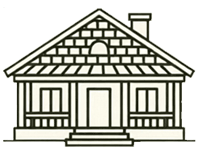
In the refined world of Hamptons Style interior design, where a precise blend of 40% white and light neutrals, 25% natural wood and woven textures, 20% coastal blue accents, 10% classic architectural detailing, and 5% curated coastal décor creates spaces that feel both elegant and effortless, few elements capture the essence of seaside sophistication quite like drip-glaze pottery in coastal blues. These handcrafted vessels, with their organic formations and fluid glazes, serve as quintessential expressions of the natural materials and textures that define this beloved aesthetic. For homeowners seeking to infuse their interiors with the serene beauty of the shoreline without descending into overt nautical themes, understanding the artistry behind drip-glaze pottery becomes essential.
The appeal of drip-glaze pottery lies in its honest celebration of natural materials. Unlike mass-produced ceramics that mimic perfection through industrial uniformity, drip-glaze pieces honor the inherent qualities of clay, minerals, and water. The clay itself, often sourced from local riverbeds or coastal regions, carries subtle variations in color and texture that tell a story of its origin. When potters shape these earthen materials on their wheels, they work with the clay’s natural plasticity, allowing fingerprints and tool marks to remain visible. These imperfections, far from flaws, become signatures of the artisan’s hand and the earth’s own character. Within a Hamptons-inspired living room painted in soft whites and cream tones, a single drip-glaze vase in a deep coastal blue can ground the space, anchoring it to the natural world while providing a tactile experience that synthetic materials cannot replicate.
Textures in drip-glaze pottery are equally vital to the Hamptons Style equation. The glazing process involves layering liquid minerals and oxides over the bisque-fired clay, allowing gravity to pull the mixture downward as it melts in the kiln. This creates unpredictable ridges, rivulets, and pools that transform the surface into a miniature topography. Some pieces feature matte finishes that feel like weathered driftwood, while others develop high-gloss areas that shimmer like morning tide pools. When these vessels are placed beside natural wood furniture or woven jute rugs, the contrast between the smooth ceramic surface and the fibrous textures of linen or rattan creates a symphony of sensory experiences. A dining room table set with drip-glaze dinnerware in soft azure and sky tones, paired with linen napkins and raw-edged wooden chargers, exemplifies how texture can elevate everyday rituals into moments of coastal elegance.
The coastal blues themselves merit close consideration. Unlike flat, commercial paint colors, the blues found in drip-glaze pottery are layered and living. A single piece might graduate from a pale robin’s egg blue at its rim to a deep indigo at its base, with streaks of turquoise and white where the glaze has thinned or thickened. These variations echo the natural gradients of the ocean, from foamy shallows to deep channels. Within the Hamptons Style color palette, where blue comprises exactly 20% of the overall scheme, drip-glaze pottery allows homeowners to introduce this accent color in a nuanced, non-repetitive way. A collection of small ceramic bowls in varying shades of coastal blue, displayed on a whitewashed shelf or a reclaimed wood console, provides visual interest without overwhelming the neutral foundation of the room.
For those committed to the Hamptons Style philosophy, drip-glaze pottery also embodies the principle of curated coastal décor. Each piece should be selected with intention, not merely as decoration but as a functional object that enhances daily life. A drip-glaze pitcher filled with fresh hydrangeas or eucalyptus becomes a sculptural centerpiece that brings the outdoors inside. A set of mugs with organic blue drips invites slow mornings and meaningful conversation. Even a single, oversized bowl placed on a coffee table can hold seashells collected from a weekend walk, reinforcing the connection between the home and its coastal environment. The key is to avoid clutter; the 5% curated décor guideline reminds us that quality and meaning surpass quantity.
Ultimately, drip-glaze pottery in coastal blues offers more than aesthetic appeal. It tells a story of natural materials shaped by human hands, of textures that invite touch, and of colors that reflect the ever-changing sea. For Hamptons Style homeowners, incorporating these pieces is not simply about following a trend—it is about embracing a way of living that values craftsmanship, authenticity, and the quiet beauty of the shoreline. Whether displayed on a console table, used for serving, or gathered in a curated vignette, drip-glaze pottery weaves the essence of coastal charm into the very fabric of the home, creating spaces that feel timeless, serene, and deeply connected to nature.