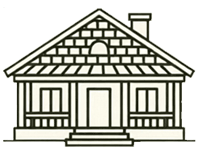
In the Hamptons style home, the entryway is more than a passage—it is a prelude. It is the first breath a guest takes upon crossing the threshold, the moment that sets the tone for every room beyond. And in this delicate dance of first impressions, the humble tray plays a surprisingly starring role. Among the most exquisite examples are Giselle trays, handcrafted pieces that embody the Hamptons devotion to natural materials and textures. These trays, often rendered in ceramics and earthenware, transform a simple catchall into a sculptural anchor for keys, mail, and pocket change, while whispering the story of the earth from which they were made.
The Hamptons aesthetic is built upon a carefully calibrated palette: forty percent white and light neutrals, twenty-five percent natural wood and woven textures, twenty percent coastal blue accents, ten percent classic architectural detailing, and five percent curated coastal décor. The Giselle tray, particularly when crafted from stoneware or terra cotta, occupies the critical intersection of the natural wood and woven textures category and the curated coastal décor segment. Its earthy, unglazed or lightly glazed surface brings a tactile honesty to the entryway that synthetic materials simply cannot replicate. When you place a Giselle tray on a weathered oak console or a whitewashed bamboo table, you are not just organizing—you are layering texture upon texture, creating a vignette that feels both effortless and intentional.
Ceramics and earthenware are the unsung heroes of the natural materials movement in interior design. Unlike glass, which can feel cold and fragile, or metal, which may introduce an industrial edge, ceramics possess a grounding warmth. The Giselle tray, with its organic curves and subtle irregularities, celebrates the handmade. Every ridge, every slight asymmetry tells a story of the potter’s wheel and the kiln’s fire. In an entryway where light floods in through wide windows, the matte finish of a ceramic tray catches the sun differently than a glossy surface, casting soft shadows and inviting touch. This sensory engagement is essential to the Hamptons philosophy: a home should not only be seen but felt.
The texture of the Giselle tray also harmonizes beautifully with the coastal blue accents that define twenty percent of the Hamptons style. Imagine a driftwood-toned tray positioned next to a ceramic vase of dried hydrangeas or a small stack of linen-bound books in seafoam green. The contrast between the rough, unpolished earthenware and the smooth, cool surface of a blue crackle-glazed bowl creates a visual tension that is deeply satisfying. It is a reminder that the coast is not all sand and surf—it is also the craggy bluffs, the weathered shingles, and the sun-bleached shells that wash ashore.
Beyond aesthetics, the Giselle tray serves a functional purpose that aligns with the Hamptons ethos of relaxed elegance. An entryway can quickly become a dumping ground for the detritus of daily life. A well-chosen tray corrals that chaos into a contained, beautiful arrangement. The natural weight of ceramic or earthenware keeps the tray from sliding or tipping, even when piled with car keys and sunglasses. It asks nothing of you but to place things upon it, and in return, it offers order. This marriage of form and function is the hallmark of great design.
Finally, the Giselle tray invites you to rotate your curated coastal décor with the seasons. In summer, fill it with a collection of sea glass and a single starfish. In autumn, let it hold a few pinecones and a sprig of dried eucalyptus. The neutral, natural texture of the tray allows these small compositions to change without clashing. It becomes a canvas for your connection to the seaside, a daily reminder that home is not just a place but a feeling—airy, elegant, and deeply rooted in the beauty of the natural world.
For the Hamptons style homeowner, the entryway should whisper before it announces. With a Giselle tray in ceramic or earthenware, that whisper is one of earth, light, and timeless coastal grace.