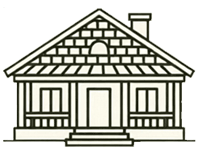
In the pursuit of achieving that quintessential Hamptons Style, the design equation is deceptively simple: forty percent white and light neutrals, twenty-five percent natural wood and woven textures, twenty percent coastal blue accents, ten percent classic architectural detailing, and five percent curated coastal décor. Yet within that precise formula lies a world of nuance, where the choice of a single material can elevate a room from merely pleasant to profoundly sophisticated. One such material, often underestimated in its potential, is jute. More specifically, herringbone jute—a textured weaving that transforms a humble natural fiber into a statement of understated luxury. For the homeowner seeking to honor the twenty-five percent devoted to natural textures, herringbone jute rugs offer an unparalleled opportunity to ground a space with warmth, depth, and a tactile richness that synthetic counterparts simply cannot replicate.
The appeal of jute in coastal interiors is no accident. Grown in the fertile deltas of South Asia, this rain-fed fiber carries an inherent connection to the earth. It is biodegradable, renewable, and its warm, golden-beige tones mirror the sun-bleached sands of the Hamptons shoreline. But while standard flat-weave jute rugs have long been a staple of casual beach houses, the herringbone pattern introduces a new dimension of artistry. The classic V-shaped weave, reminiscent of the bones of a herring fish, creates a dynamic play of light and shadow across the floor. As sunlight drifts through oversized windows, the raised and recessed threads catch the glow, adding visual movement without introducing a single bold color. This subtle complexity is precisely what the Hamptons aesthetic demands: elegance that reveals itself gradually, never shouting but always present.
Texture, in a Hamptons Style home, is not merely decorative. It is architectural. The interplay between smooth white walls, linen upholstery, and rough-hewn wood beams requires a flooring element that bridges the gap between refinement and rusticity. Herringbone jute achieves this balance with remarkable finesse. Its tightly woven structure provides durability—essential for high-traffic living areas and sunrooms—while its nubby surface invites bare feet and anchors furniture arrangements. Unlike wool or silk, jute does not compete with the coastal blue accents found in throw pillows or nautical artwork. Instead, it serves as a neutral canvas, allowing those crisp navy and cerulean tones to pop against the warm, organic backdrop.
Moreover, the herringbone pattern introduces a classic architectural detail to the floor, honoring that ten percent of the design formula dedicated to timeless structure. In traditional Hamptons homes, architectural millwork, shiplap walls, and coffered ceilings provide linear interest. A herringbone jute rug echoes those lines horizontally, creating a cohesive dialogue between floor and ceiling. The chevron-like pattern can also visually elongate a room when oriented toward the longest wall, making narrow hallways or rectangular living spaces feel more expansive—a clever trick for achieving the airy, open flow central to the style.
Practical considerations further solidify herringbone jute’s place in the Hamptons home. The fiber is naturally insulating, helping to maintain a comfortable temperature against cool hardwood floors during breezy spring evenings. It is also resistant to static and does not trap dust in the same way that plush carpets do, making it an excellent choice for homeowners who prioritize indoor air quality. While jute is not ideal for moisture-prone areas like bathrooms, it thrives in living rooms, dining rooms, and covered porches where the relaxed coastal vibe is most pronounced. For high-traffic zones, consider layering a flat-weave jute rug beneath a smaller wool or cotton rug to protect the most vulnerable areas while still showcasing the herringbone pattern along the edges.
Styling herringbone jute within the Hamptons framework is an exercise in restraint. Let the rug serve as the foundation. Pair it with white slipcovered sofas, a driftwood coffee table, and breezy linen curtains. Introduce coastal blue through a single ceramic vase or a stack of weathered books. The jute’s neutral warmth will soften the crisp white palette, preventing the room from feeling sterile or cold. In a dining room, a large herringbone jute rug beneath a reclaimed oak table adds texture that muffles sound and creates an intimate gathering space. The natural fibers also age gracefully, developing a patina over time that only deepens the narrative of a home lived in and loved.
For those who fear that jute may feel too casual for a high-end interior, let the herringbone pattern be your reassurance. This weave has been used for centuries in European country houses and elegant seaside retreats precisely because it offers texture without vulgarity. It is the material equivalent of a perfectly rumpled linen shirt—effortless yet undeniably polished. When sourced from quality artisan weavers, a herringbone jute rug becomes not just floor covering but functional art, a handcrafted element that honors the slow, sustainable luxury at the heart of the Hamptons ethos.
In the end, achieving the perfect twenty-five percent natural texture is not about filling a quota. It is about choosing materials that bring warmth, story, and sensory pleasure into the home. Herringbone jute does exactly that. It connects your interiors to the earth, to the seaside, and to a tradition of craftsmanship that values quality over trend. In a Hamptons Style home, where every element is carefully curated yet appears effortless, a herringbone jute rug is not just a textile. It is a quiet declaration that true luxury lies in the natural, the textured, and the timeless.