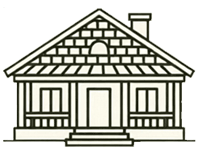
In the pursuit of Hamptons style, every surface tells a story. This beloved aesthetic, with its 40 percent white and light neutrals, 25 percent natural wood and woven textures, and 20 percent coastal blue accents, relies on materials that feel both refined and relaxed. Stone, in particular, plays a foundational role, anchoring kitchens, bathrooms, and entryways with a sense of permanence and natural beauty. Yet the choice between honed and polished stone is far more than a matter of finish. It is a tactile decision that shapes how a room feels to the touch, how light dances across its surfaces, and how the material ages over time. For homeowners seeking the understated elegance of the Hamptons, understanding this distinction is essential to achieving that elusive balance between coastal charm and upscale grace.
Polished stone is the classic choice for those who crave brilliance and drama. Through a mechanical grinding process that uses progressively finer diamond abrasives, the stone’s surface is brought to a mirror-like sheen. This high-gloss finish reflects light intensely, making polished marble or granite appear almost liquid. In a Hamptons-inspired interior, where natural light is prized and white walls dominate the 40 percent neutral palette, polished stone can amplify brightness, casting soft reflections across a room. It feels smooth and cool under the fingertips, almost glassy, and its glossy surface resists staining more effectively because the pores of the stone have been sealed by the polishing process. However, this sheen comes with a caveat. Polished stone is more prone to showing etch marks from acidic substances like lemon juice or wine. In a coastal home where casual entertaining is the norm, these imperfections can feel at odds with the relaxed, welcoming atmosphere that defines Hamptons style.
Honed stone offers a different kind of beauty. By stopping the polishing process before the final buff, the surface retains a matte, satin-like finish that is velvety to the touch. This subtle texture is where the term “tactile choice” becomes most meaningful. Running a hand across honed marble feels grounding and organic, like touching raw earth rather than a manufactured surface. For the Hamptons palette, which calls for 25 percent natural wood and woven textures, honed stone harmonizes perfectly. Its muted sheen does not compete with the warmth of oak cabinetry or the grain of rattan, but instead complements them, creating a layered, tactile experience that feels both curated and lived-in. Honed stone also masks etching and scratches far better than polished stone, because the matte surface diffuses light rather than magnifying imperfections. This makes it an ideal choice for busy kitchen islands or bathroom vanities where daily life unfolds without pretense.
Yet honed stone demands its own care. Its porous nature means it can stain more readily if not properly sealed. In a home that embodies the 10 percent classic architectural detailing, honed stone invites a ritual of maintenance that echoes the meticulous craftsmanship of shiplap walls and coffered ceilings. Sealing honed marble or limestone every year or two becomes part of the home’s rhythm, a small discipline that preserves its soft beauty. For those who value patina, honed stone ages gracefully, developing a gentle wear that only enhances its character. This aligns beautifully with the 5 percent curated coastal décor ethos, where objects are chosen for their story and texture rather than their perfect newness.
The final choice between honed and polished stone often comes down to how you want to live with the material. Polished stone suits formal dining rooms or powder rooms where elegance takes precedence over everyday wear. Honed stone belongs in spaces where comfort and connection to nature matter most. In a Hamptons-style home, where the goal is a fresh, elegant, welcoming environment that feels connected to the seaside without becoming nautical, honed stone often wins the day. Its tactile softness echoes the weathered driftwood and sandy shores that inspire the aesthetic. It invites touch, invites lingering, and invites the kind of relaxed sophistication that makes a house feel like a home.
Consider the countertop in a Hamptons kitchen, where morning light falls across a slab of Carrara marble. Polished, it gleams like a mirror, crisp and formal. Honed, it glows with a subtle warmth, like a seashell held in the hand. Both are beautiful, but only one asks to be touched. That gentle invitation is the essence of Hamptons style, a design philosophy that prioritizes feeling over flash. In the end, the tactile choice between honed and polished stone is not about right or wrong. It is about the kind of home you want to inhabit, one where every surface, every texture, and every shadow contributes to a life lived with ease and grace.