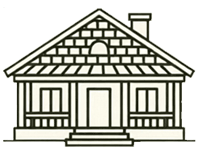
In the world of Hamptons Style, the bookshelf is far more than a storage unit. It is a stage for narrative, a canvas for curated calm. For homeowners seeking that perfect blend of coastal charm and upscale elegance, the bookshelf and vignette curation process is where the soul of a room truly takes shape. The formula is well-known: forty percent white and light neutrals, twenty-five percent natural wood and woven textures, twenty percent coastal blue accents, ten percent classic architectural detailing, and five percent curated coastal décor. But within that final, critical five percent lies an opportunity for unexpected poetry. Among the polished seashells, the crisp white ceramic vases, and the neatly stacked art books, one natural object stands out as both a surprise and a necessity: a single, unpolished piece of driftwood.
Driftwood is the forgotten traveler of the shoreline. It arrives on the beach not as a prized souvenir, but as a relic of patience, shaped by salt, wind, and time. To place a piece of driftwood on a curated shelf is to introduce an element of raw, organic tension against the structured elegance of Hamptons Style. The style relies heavily on crisp lines, white millwork, and the repetition of serene neutrals. A bookshelf stocked entirely with pristine objects can feel like a showroom—beautiful, but sterile. Driftwood breaks that perfection with quiet authority. Its gnarled grain, pale silver patina, and asymmetrical form invite the eye to rest, to wander, to wonder. It is the opposite of mass-produced decor. It tells a story without words.
The placement of driftwood within a bookshelf vignette requires a careful hand. It should not dominate; rather, it should anchor. Consider placing a long, slender piece horizontally across the top of a stack of linen-bound books, its weathered end reaching just past the spine of a navy blue volume. Or, stand a tall, branching piece vertically in a corner of the shelf, where it mimics the silhouette of a sculptural tree against a backdrop of white-washed shelving. The key is contrast. Driftwood’s rough texture enhances the smooth finish of a ceramic vase or the soft weave of a jute basket. Its muted earth tones deepen the effect of coastal blue accents, making them appear brighter and more intentional. In a room defined by lightness, driftwood grounds the space with its ancient, grounded gravity.
Why does this object matter so much in the larger context of Hamptons Style? Because the style itself is a dialogue between the man-made and the natural. The architectural bones of a Hamptons home are deliberate and refined: shiplap walls, coffered ceilings, French doors that flood the room with light. Yet the inspiration comes from the wild, shifting shoreline. A bookshelf curated without a nod to that raw edge risks feeling disconnected from the very landscape that defines the aesthetic. Driftwood is the bridge. It reminds us that elegance does not demand perfection; it demands authenticity. A shell can be too polished, a starfish too expected. But driftwood carries the memory of the tide, the whisper of a storm, the patience of erosion. It is the one object that cannot be faked or replicated by a factory.
In practical terms, sourcing driftwood is an exercise in mindfulness. Homeowners should seek pieces that are fully dried, free of rot or insects, and naturally bleached by the sun. A walk along the beach at low tide often yields perfect candidates. If a trip to the coast is not possible, reputable decor shops now offer ethically sourced driftwood that has been cleaned and stabilized while preserving its natural character. Once home, it requires no maintenance—unlike fresh greenery, it will not wilt or fade. It simply exists, unchanged, a quiet testament to the enduring beauty of the natural world.
The final effect is one of harmony. When a guest runs their eyes across a Hamptons bookshelf—past the crisp white stack of novels, the blue glass bottle catching the afternoon light, the framed photograph of a dune landscape—they will pause at the driftwood. They may not know why it feels right. But they will feel it. That is the power of curation: to include the unexpected object that completes the story. In a style that seeks to bring the seaside indoors without shouting about it, driftwood is the perfect whisper. It is the anchor that holds the vignette in place, the wild card that makes the room feel lived-in, loved, and utterly at peace.