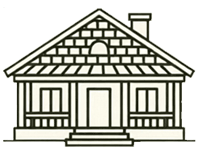
In the pursuit of Hamptons Style, homeowners often focus on the foundational palette of forty percent white and light neutrals, twenty percent coastal blue accents, and twenty-five percent natural wood and woven textures. Yet the final ten percent of classic architectural detailing and five percent of curated coastal décor can be elevated by an unexpected but deeply fitting accent: lavender. Soft purple borders, whether in tilework, upholstery, landscape edging, or fabric trim, introduce a subtle counterpoint to the traditional blues and whites. They evoke the wild lavender fields that dot the Long Island coastline in summer, bridging the gap between manicured elegance and the untamed beauty of the seaside. When applied intentionally, lavender borders become an architectural tool that softens edges, defines zones, and brings a whisper of countryside charm into kitchen, bath, and outdoor living spaces.
In the kitchen, lavender borders perform best as a delicate frame rather than a dominant feature. Consider a white shaker-style cabinet island with a thin lavender pinstripe painted along the panel edges, echoing the classic architectural detailing that defines Hamptons Style. This simple line of soft purple acts as a visual anchor, drawing the eye without overwhelming the clean, light-filled aesthetic. Alternatively, a backsplash of white subway tile with a single row of lavender-toned glass mosaics running horizontally at counter height creates a border that separates workspace from wall. This approach maintains the required forty percent white base while introducing the five percent curated coastal décor through an unexpected color story. The lavender should remain muted, closer to dried hydrangea than vivid violet, ensuring it reads as natural and weathered rather than bold or artificial. Paired with brushed nickel fixtures and open shelving displaying white ceramic pitchers, the kitchen retains its airy Hamptons sensibility while gaining a layer of refined personality.
Bathrooms in the Hamptons Style demand tranquility and light, and lavender borders contribute a spa-like serenity that blue alone cannot achieve. A freestanding clawfoot tub set against a wall of white beadboard gains distinction when a two-inch lavender border runs along the chair rail height. This horizontal line defines the space without closing it in, echoing the horizon line visible from Hamptons beach houses. In a shower enclosure, lavender border tiles can frame a central field of white marble or large-format porcelain, creating a visual frame that guides the eye upward toward higher ceilings. The ten percent classic architectural detailing here comes through in the precision of the border installation, the clean lines of the grout, and the deliberate choice of a matte finish rather than glossy, which would compete with the coastal blue accents found in towels or bath mats. The result is a bathroom that feels both crisp and gentle, a place where lavender lingers like a memory of salt air and wildflowers.
Outdoor living spaces present the most natural canvas for lavender borders, where the Hamptons Style merges with pool and garden architecture. A formal herb garden bordering a bluestone patio can be edged with a low hedge of English lavender, its silver-green foliage and purple blooms creating a living border that softens the transition from hardscape to lawn. This living edge fulfills the twenty-five percent natural wood and woven textures through its organic form while contributing the five percent curated coastal décor through deliberate planting. For a pool surround, consider a coping border of bluestone or limestone with lavender-hued aggregate subtly mixed in, or white outdoor tiles with a lavender border inset that mirrors the pool water’s edge. These architectural borders define the pool as a room without walls, a concept central to Hamptons outdoor living. The lavender reads as a bridge between the blue of the water and the white of the surrounding structures, preventing the space from feeling too stark while maintaining the relaxed elegance homeowners seek.
The success of lavender borders in any Hamptons application depends on restraint. The color must never dominate the twenty percent coastal blue or compete with the forty percent white and light neutrals. It operates as an accent within an accent, a whisper that rewards close attention without demanding it. When chosen with this discipline, lavender borders enhance the architectural detailing that makes Hamptons Style distinctive, from crown molding to tile patterns to garden edging. They remind us that coastal charm does not require a literal interpretation of the sea; it can also draw from the fields and dunes that shape the Hamptons landscape. By welcoming soft purple into the palette, homeowners deepen their connection to place while preserving the fresh, welcoming spirit that defines this enduring aesthetic. Lavender borders, quiet and refined, become the signature detail that transforms a house into a home that feels both timeless and intimately personal.