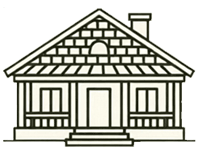
On the grand verandas of the Hamptons, where salt air mingles with the scent of hydrangeas and the sun dips low over the Atlantic, one detail quietly commands attention without shouting for it. It is not the wicker furniture, nor the ceiling fan, nor the perfectly layered throw pillows. It is the ceiling itself—painted in that unmistakable, ethereal shade known as Haint Blue. This seemingly simple choice is one of the most enduring signature architectural details in coastal design, and for those seeking to capture the authentic Hamptons Style, it is as essential as the white shiplap walls and the reclaimed oak floors inside the house.
Haint Blue is not a single color but a family of pale, powdery blues with a whisper of gray or green—somewhere between a robin’s egg and a faded morning sky. On a porch ceiling, it creates an optical illusion so subtle that many visitors cannot quite name what makes the space feel so serene. The trick is rooted in both science and folklore. Physically, the blue pigment reflects ultraviolet light, which in turn deters insects like wasps and spiders from building nests overhead. But the more romantic explanation comes from the Gullah Geechee culture of the American South, where the color was believed to confuse evil spirits or “haints,” preventing them from crossing the threshold into the home. Whether you embrace the practical or the mystical, the result is the same: a porch ceiling that feels protected, peaceful, and intentionally tied to a rich architectural heritage.
In the context of Hamptons Style, the Haint Blue ceiling occupies a precise place within the design formula that makes this aesthetic so coveted. Recall the breakdown that guides every authentic Hamptons home: forty percent white and light neutrals, twenty-five percent natural wood and woven textures, twenty percent coastal blue accents, ten percent classic architectural detailing, and five percent curated coastal décor. The porch ceiling falls squarely into that twenty percent coastal blue accent category, but it does so with a sophistication that elevates it beyond a mere accent. It is not a throw pillow or a vase of sea glass. It is an architectural gesture—a permanent nod to the sea that remains in place through winter storms and summer gatherings alike.
What makes Haint Blue so effective as a signature architectural detail is its ability to bridge the interior and exterior spaces seamlessly. In a Hamptons home, the veranda is not an afterthought; it is an extension of the living room, the dining room, and the family room all at once. By painting the ceiling in this classic blue, the homeowner creates a canopy of calm that visually lowers the ceiling height, making the porch feel more intimate and cozy without sacrificing the open-air breeziness that defines coastal living. The white trim, the natural jute rugs, and the weathered teak furniture all gain a quiet anchor when they are capped by Haint Blue.
For homeowners working toward achieving the Hamptons Style, the choice of paint finish matters as much as the color itself. A flat or matte finish is preferred over glossy sheens, because it absorbs light rather than reflecting it, allowing the blue to read as a soft, diffused layer rather than a shiny statement. This aligns with the overall ethos of Hamptons design: elegance that does not announce itself. The best Haint Blue porch ceilings look as though they have always existed, as if the sky itself decided to settle just above the rafters.
Lighting also plays a crucial role. As the sun moves across the veranda throughout the day, the Haint Blue shifts from a pale lavender-blue in the morning light to a deeper, more saturated hue in the golden hour of late afternoon. This dynamic quality ensures that the porch never feels static. It breathes with the rhythm of the day, much like the ocean itself. A well-placed ceiling fan, preferably one with wooden blades painted to match the ceiling, adds to the sense of coolness and movement.
Ultimately, the Haint Blue porch ceiling is a lesson in restraint. In a design landscape where homeowners are tempted to add more—more patterns, more colors, more furniture—this single architectural detail says that less, when chosen with intention, is profoundly more. It is the kind of signature that does not rely on a logo or a label. It relies on memory, on atmosphere, and on a quiet understanding that the best details are the ones you feel rather than the ones you see.