In the pursuit of achieving the quintessential Hamptons Style, every square foot of your home presents an opportunity for curated expression. The narrow hallway, often dismissed as a mere passageway, can be transformed into a striking design moment. Among the most effective tools for this transformation is the floor mirror. When thoughtfully selected and positioned, a floor mirror does more than reflect your image; it reflects light, expands space, and anchors a corridor with the coastal elegance that defines Hamptons living.
The Hamptons aesthetic is built on a foundation of light and airy neutrality. Forty percent of a room’s visual impact should come from white and light neutrals—think crisp linen whites, soft greiges, and warm off-whites. A floor mirror with a simple, whitewashed frame or a classic, unadorned beveled edge aligns perfectly with this principle. In a narrow hallway, where natural light is often limited, a large mirror placed opposite a window or at the end of the corridor acts as a secondary light source. It bounces daylight deeper into the space, softening shadows and creating the luminous, breezy atmosphere that makes a Hamptons home feel like a perpetual summer retreat.
Natural wood and woven textures constitute another twenty-five percent of the style equation. Floor mirrors present a unique opportunity to introduce this element without overwhelming the compact proportions of a hallway. Consider a mirror with a frame crafted from reclaimed oak or driftwood, its grain visible and tactile. Alternatively, a rattan or bamboo border echoes the organic, beachside textures that Hamptons Style celebrates. These materials ground the mirror, preventing it from feeling sterile or purely functional. In a narrow space, the mirror becomes sculptural—a curated object that tells a story of seaside simplicity and artisan craftsmanship.
The remaining components of the Hamptons palette—coastal blue accents, classic architectural detailing, and curated coastal décor—should inform the mirror’s placement and styling. Lean a full-length floor mirror against the wall at a slight angle, rather than hanging it flush. This casual, relaxed posture is itself a hallmark of the style, suggesting effortless elegance. Beneath the mirror, position a small console table or a simple wooden stool. Upon it, place a single piece of curated décor: a glass vase filled with dried hydrangeas, a coral sculpture, or a stack of linen-bound books in pale blue and white. This vignette completes the composition, turning a utilitarian object into a deliberate design choice.
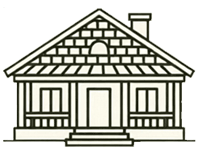
For hallways that are particularly narrow, the mirror’s scale must be considered carefully. A floor mirror that is too petite will feel lost and insignificant; one that is too large can overwhelm the passage and disrupt traffic flow. Aim for a mirror that is roughly two-thirds the height of the wall and no wider than the hallway’s narrowest point allows. The goal is to create an illusion of depth, making the hallway appear wider and longer than it truly is. A mirror with an arched top adds architectural detailing—that vital ten percent of classic moldings and trim—echoing the graceful proportions of Hamptons shingle-style homes.
The finish of the mirror matters enormously. While a sleek, silvered frame can feel too modern for the relaxed coastal look, a slightly antiqued or smoked mirror surface introduces a patina of age and authenticity. This aligns with the Hamptons principle of welcoming, lived-in luxury. The reflection should be soft, not harsh, contributing to the overall sense of serene retreat.
Finally, remember that the floor mirror is not merely a functional accessory. It is a piece of art that interacts with movement, light, and space. In a narrow hallway, it becomes a focal point that draws the eye forward, inviting guests deeper into the home. It connects rooms, softens transitions, and embodies the coastal charm and upscale elegance that define Hamptons Style. By selecting a floor mirror with intention—choosing natural materials, light finishes, and classic proportions—you turn a simple corridor into a gallery of light and reflection. The hallway, once an afterthought, becomes a destination.